


Municipal water treatment requires reliable and safe processes to ensure communities benefit from constant quality services. Veolia Water Technologies responds to the diverse water treatment needs of municipalities across Australia & New Zealand with market-leading technologies and processes.
Environment and regulations: challenges faced by the municipal sector

Directly linked to human health and environmental impact.

Subject to varying conditions and strict regulations.

To preserve local ecosystems

Collection, treatment and distribution are highly energy-intensive
How Veolia is committed to helping municipalities
We can tailor our offering depending on your project, from installing individual engineered solutions or packaged plants to complex projects. Our goal is to develop sustainable and innovative solutions that balance cost-effective technology with protecting the environment.
In addition to traditional treatment processes, we have patented technological solutions to treat water, wastewater, biosolids, sludge and odor. These technologies can help you meet increasingly stringent environmental regulations under AMP7, for example, for phosphorus removal.
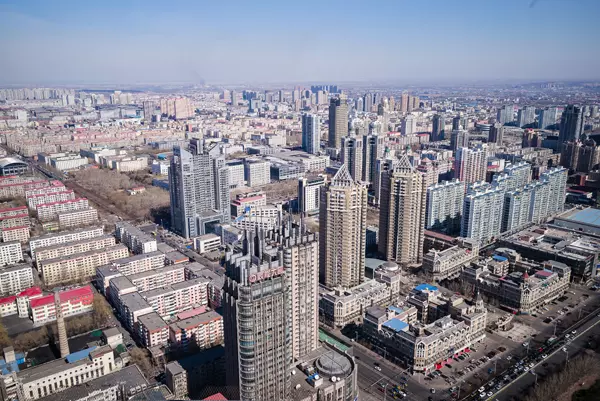
In partnership with our clients, we help respond to stakeholder expectations for sustainable solutions that contribute to improved quality of life. Whether the challenge relates to scarce water resources, health concerns or meeting stringent environmental regulations, municipal authorities throughout the world rely on our municipal water treatment expertise.
Our worldwide network provides local experts with knowledge and support enabling us to deliver added-value services adapted to each locality's unique requirements. Our services include everything required to design, deliver, operate, maintain and upgrade municipal water and wastewater treatment facilities and systems.
Adaptable water treatment solutions for all municipalities
Veolia Water Technologies offers advanced solutions for municipal water treatment that ensure safe, reliable drinking water, efficient municipal wastewater treatment, and sustainable sludge management. Our customisable, cost-effective systems support municipal water treatment plants across Australia and New Zealand with state-of-the-art technology to protect public health and meet regulatory standards.
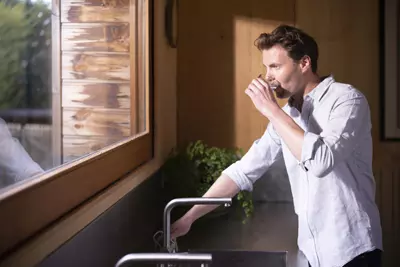
We specialise in municipal sewage systems that include advanced technologies for the effective treatment of drinking water, wastewater, and biosolids. Veolia’s processes, including the patented Actiflo® system, offer high-rate clarification to help municipalities manage overflow, reduce pollutants, and support compliance with stringent environmental standards.
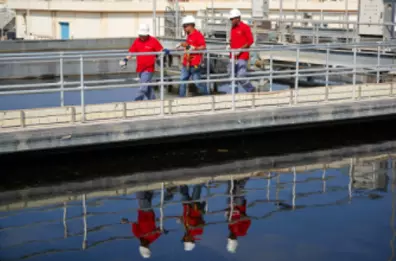
Veolia delivers complete services to design, build, operate, and maintain municipal water treatment systems. From packaged plants to complex systems, we provide technology that balances environmental stewardship with sustainable cost management.
Veolia’s approach to municipal wastewater treatment transforms wastewater into valuable resources, including clean water and energy. With robust and compact technology, our solutions are well-suited for both new facilities and upgrades to ageing infrastructure. By minimising footprint and optimising resource recovery, our technologies support the growing demands of communities in Australia and New Zealand.
Discover our sustainable development commitments to the planet and customers through our different projects all around the world, following United Nations’ Sustainable Development Goals.
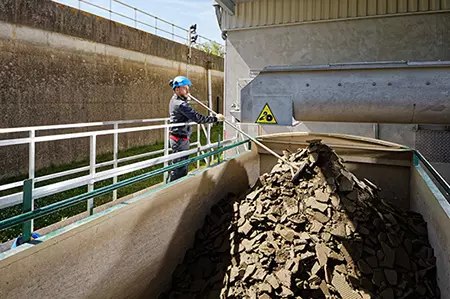
Wastewater treatment generates sludge that, with the right processes, can be converted into valuable resources like biogas. Veolia’s sludge treatment solutions provide municipalities with sustainable options to manage and reuse biosolids, transforming waste into renewable energy while protecting the water cycle.
Discover how you can reuse, recycle and leverage value from wastewater, such as converting sludge into biogas.
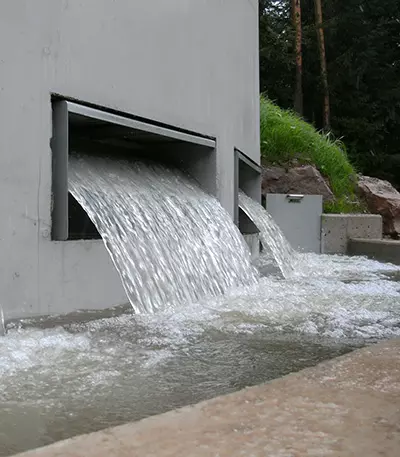
Managing combined sewer overflows (CSOs) is vital for protecting receiving waters from contamination by particulate and soluble wastes from domestic sewage and industrial discharges. Our patented Actiflo® process excels in high-rate clarification during wet weather conditions, effectively treating discharges and safeguarding public health.
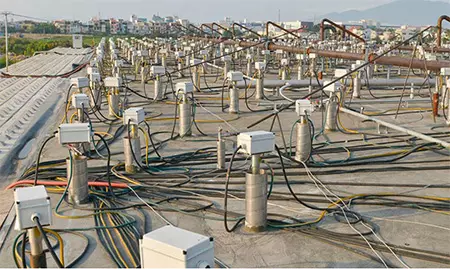
Our extensive expertise extends to municipal water treatment for groundwater and soil remediation. With a focus on reducing contamination from legacy pollutants, our services include PFAS removal and tailored groundwater treatment solutions that improve the quality of local water sources, supporting the community and environment.
Cleaning up agent orange residue in Da Nang (Vietnam)
Treating soil contamination from the Vietnam War
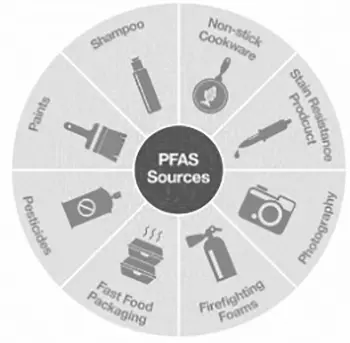
Our comprehensive range of PFAS treatment services addresses contamination in groundwater, surface water, wastewater, biosolids, landfill leachate, and industrial discharges. We are committed to fostering local employment while encouraging greater awareness around water conservation.
We offer a wide range of PFAS treatment and management services for the following:
- Groundwater
- Surface water
- Wastewater
- Biosolids
- Landfill leachate
- Industrial discharges
We also contribute to the community by fostering local employment and by being an engaged corporate citizen. For example, we support socially responsible businesses and encourage greater water awareness.
Municipalities that trust Veolia
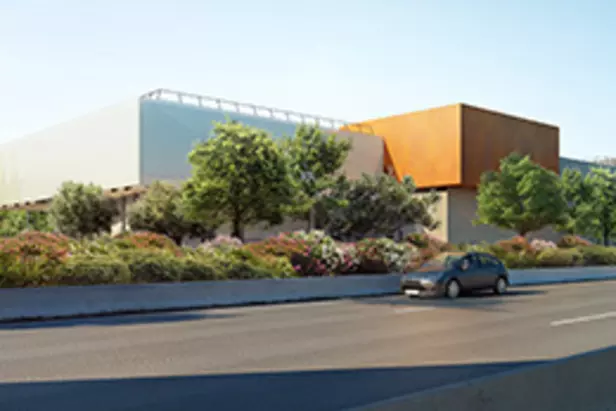
Veolia Water Technologies’ subsidiary OTV began working on the Cagnes-sur-Mer wastewater station in 2017.
Beyond the architectural concerns regarding the design and harmony of the building in the sector and the green aspects integrated in the plant, OTV accomplished France’s first energy-positive wastewater treatment plant with high-performance equipment in compliance with European standards.
Today the plant treats the wastewater of 160,000 inhabitants and produces more energy than it consumes.
Discover our water treatment technologies for municipalities
With access to cutting-edge municipal water treatment technologies and best practices around the globe, we offer cost-effective, creative solutions that utilize innovations such as smart sensors and software to optimize operational performance.
Technologies - Municipalities
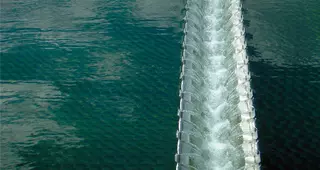
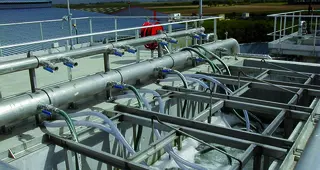
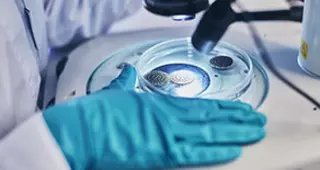
Successful projects begin with understanding client objectives and needs. We use established and innovative water and wastewater treatment technologies coupled with extensive experience to develop effective treatment solutions addressing the objectives and needs of municipal clients. In cooperation with a network of proven partners, we are able to offer custom solutions specifically tailored to each application. Our experience and knowledge continue to benefit the project after equipment delivery with support of installation, commissioning, and performance testing. Additionally, we offer extended service contracts, aftermarket replacement parts, and water treatment chemicals.

Jeffrey J. Mocock
Vice President of Engineering
Veolia Water Technologies North America - Municipal
Contact Jeffrey through his LinkedIn account
Would you like more information about our technologies for municipality ?
More services for our municipal clients
Municipal Water Treatment FAQs
Wastewater contains organic matter, nutrients, and energy that can be harnessed through advanced treatment technologies. By recovering these elements, wastewater can be transformed into resources such as clean water, fertilisers, and energy, contributing to environmental sustainability and resource efficiency.
Different types of treatment are available depending on the quality and origin of the raw water:
- Surface water treatment generally includes at least filtration to remove suspended solids followed by disinfection to eliminate various pathogens such as parasites and viruses. The water may need to be clarified upstream of filtration if the solids concentration is high or varies too much, or contains other pollutants such as organic matter.
- Groundwater containing metals may require oxidation followed by filtration.
- Seawater, in addition to the clarification and filtration steps, will require treatment with reverse osmosis to remove salts and dissolved compounds.
- Emerging compounds (pharmaceuticals, micropollutants, etc.), pesticides, PFAS/PFOS, require advanced treatments – adsorption for example.
Municipal wastewater first undergoes screening to remove coarse solids and floating materials. Sand and grease are then removed to protect downstream equipment. Primary treatment, including settling or filtration, will remove most of the solids. The treated water is then sent to a biological treatment stage, which will attack the dissolved organic pollutants, carbon, nitrogen and phosphorus. A tertiary treatment step can then be applied to refine the removal of the remaining solids and phosphorus and, depending on the regulations in force, emerging micropollutants (pharmaceuticals, hormones, etc.). Finally, the water is disinfected, often using ultraviolet radiation systems.
The sludge generated by the various wastewater treatment steps is sent to the sludge treatment chain for recovery and valorization.
Treated wastewater can be safely reused in several applications:
- Agricultural Irrigation: Provides a reliable water source for crops, reducing dependence on freshwater supplies.
- Industrial Processes: Supplies water for cooling systems, processing, and other industrial needs.
- Urban Landscaping: Irrigates parks, golf courses, and other green spaces.
Sewage sludge undergoes several treatment processes to ensure safe disposal or beneficial reuse:
- Anaerobic Digestion: Microorganisms break down organic matter in the absence of oxygen, producing biogas and reducing sludge volume.
- Composting: Combines sludge with organic materials to produce a nutrient-rich soil amendment.
- Thermal Processes: Includes incineration or pyrolysis to reduce volume and potentially recover energy.
Yes, wastewater treatment processes can generate energy:
- Biogas Production: Anaerobic digestion of sewage sludge produces biogas, primarily methane, which can be used to generate electricity or heat.
- Thermal Energy Recovery: Combustion of dried sludge can produce thermal energy, which may be converted into electricity.